

A house that looks lived in sells faster and stays safer, and you can manage it from a distance with a handful of simple habits. Keep the lawn trimmed and the walkway clear, bring in the mail daily, and put a few lights on timers so the windows glow at dusk. That small routine tells buyers and passersby that someone cares about this place.
Why does it matter? An empty home gets noticed in a neighbourhood like ours. Overgrown beds, a pile of flyers on the porch, and dark windows every evening quietly suggest “nobody’s home,” which can worry buyers and invite unwanted attention. A lived-in look protects the home’s curb appeal, its security, and the memories tied up in it.
You don’t have to be local to pull it off. A friendly neighbour, a reliable lawn crew, or a relative nearby can cover most of the work in under an hour a week. Below, we’ll walk through exterior upkeep, easy interior routines, tapping into neighbourhood help, and the security and insurance basics worth confirming while the house is listed.
Why an Empty House Stands Out on a Busy Street
Walk down any busy street in the neighbourhood and your eye catches the little things: a wreath on a door, a bike leaning on a fence, a curtain that moves in the afternoon. We notice life without ever meaning to. That’s exactly why an empty house stands out so quickly.
A quiet home doesn’t have to be a neglected one, but to passersby it can read that way. Overgrown grass, a stack of flyers on the step, or a dark window at dusk tells a story, and not always the one you’d choose. Neighbours may wonder if everything’s alright. Prospective buyers, meanwhile, form their first impression before they ever step inside, and a house that looks forgotten can feel less appealing, however lovely it is.
There’s a practical side too. During an inherited house sale a home that nobody visits can pick up small problems quietly: a slow drip, a stuffy room, a gutter clogged with leaves. None of these is a crisis on day one, but they have a way of snowballing when no one’s around to spot them.
I think of a street I know where the Hendersons’ porch light comes on at the same time every evening. When it stayed dark for two nights running, three different neighbours stopped by to check in. That’s the kind of care worth keeping going.
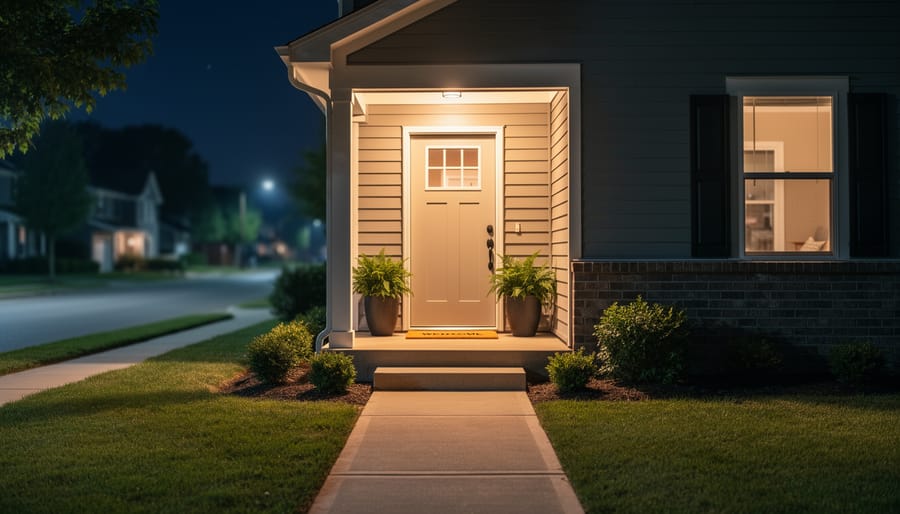
Curb Appeal Habits That Say Someone Still Cares
Lawn, Leaves, and Landscaping Through the Seasons
A tidy yard is the quickest signal that someone still cares. Spring through summer, keep the grass mowed to a steady height and the hedges trimmed so they don’t creep over the walkway. A quick pass every week or two is usually enough, and edging along the sidewalk makes the whole lot look sharper.
Fall is when things can slip. Leaves pile up fast, and a drift against the front door says “nobody’s home” louder than a dark window does. Rake the lawn, clear the gutters, and sweep the porch steps before the first hard frost.
Winter brings its own routine. Shovel or salt the walkway and driveway soon after a snowfall, since an untouched blanket of snow is a dead giveaway on an otherwise busy street. Keep the path to the front door clear for showings, too.
The easiest fix is to hand the job off. A local landscaping crew on a recurring schedule works well, and so does a responsible teenager from down the block who’d love a little pocket money. Either way, put it on a calendar so it never depends on remembering.
Mail, Packages, and Flyers
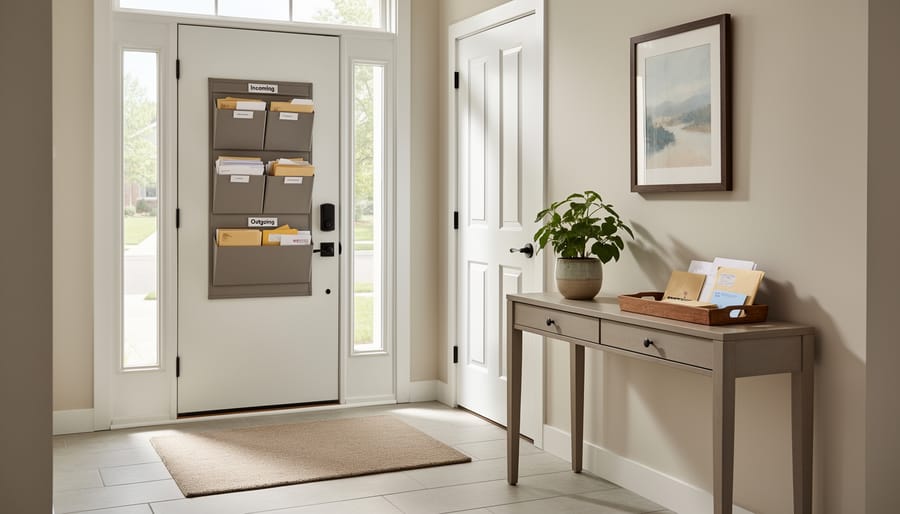
Nothing says “nobody’s home” quite like a mailbox stuffed to the brim or a pile of flyers on the front step. Those are often the first of the signs of vacancy from mail that passersby notice.
Start by setting up mail forwarding through your postal service so letters land with you or the estate’s representative instead of piling up. Then ask a trusted neighbour to scoop up any packages and flyers, and if you want a few extra tips, here’s how to stop package theft at the door.
When the mail does arrive, sort it with care. Keep anything that looks like estate paperwork, such as bank statements, tax notices, or letters from lawyers, in one labelled folder. A quick check with the estate’s attorney will tell you what to hold onto.
Small Touches That Work: Planters, Doormats, and Porch Details
A few modest touches go a long way toward telling passersby that someone still cares about this house. Start with a couple of planters flanking the front door. Hardy, forgiving plants like mums in fall, pansies in cooler months, or a simple evergreen in a pot are easy to keep alive, and a quick watering during your weekly visit is all they need. Skip anything fussy that wilts in a week.
Next, a clean, plain doormat. Swap out a worn or faded one for something neutral, and give it a shake whenever you stop by. It’s a small thing, but a tidy welcome mat reads as a house with regular foot traffic.
Finally, look at the porch itself. Sweep away cobwebs, wipe down the railing, and make sure the house numbers are bright and easy to read. A seasonal wreath or a single clean chair is plenty. The goal is warm and ordinary, never a set dressed for a photo shoot.
Making the Inside Look and Feel Occupied
Lighting, Blinds, and Window Coverings
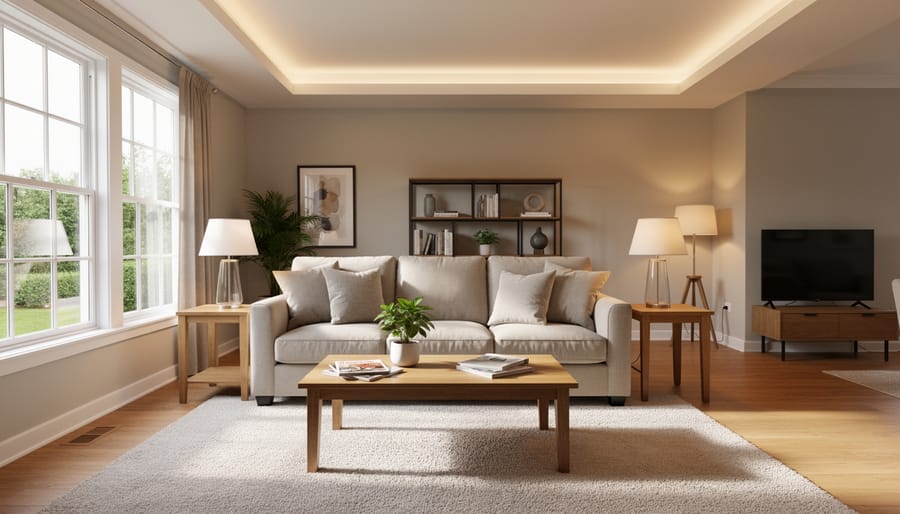
A little light goes a long way toward making a house feel occupied. Plug a couple of lamps into inexpensive timers or smart plugs so they switch on at dusk and off at a sensible hour, and put the porch light on its own schedule too. Aim for the rhythm of a real household, with a living room lamp in the evening and perhaps a hallway light that stays on a bit later. Smart plugs let you tweak the timing from your phone, which helps when sunset creeps earlier in autumn.
Blinds deserve the same thought. Rather than leaving them shut tight for weeks, open them in the morning and lower them partway at night, or ask a neighbour or cleaner to adjust them during visits. Wipe the front windows now and then, too. Sparkling glass tells buyers and passersby that someone still cares.
Airflow, Temperature, and Regular Walk-Throughs
Keep the heating or cooling running at a modest, steady setting rather than switching it off completely. A gentle temperature keeps humidity down and protects floors, cabinets, and plumbing through the seasons. Open a few windows on a mild day too, since fresh air chases away that closed-up smell buyers notice right away.
A weekly walk-through is the habit that really pays off. Look under sinks and around ceilings for drips or stains, check corners and the basement for signs of pests, and give each room a quick sniff test. It’s also smart to flush taps during absence running each one and flushing the toilets so water stays fresh. Small checks like these catch problems early, long before they turn into big ones.
Staging Lightly Without Overdoing It
Buyers walk through a house trying to picture their own lives in it, and a completely bare home makes that harder. A little furniture does the opposite. Leave a sofa, a bed with fresh linens, and a dining table in place so each room has an obvious purpose. Add a lamp, a plain throw, and a bowl of fruit or fresh flowers, and the place feels welcoming instead of abandoned.
Keep the look neutral and uncluttered. Family photos, framed diplomas, and anything sentimental should come down, since buyers connect more easily with a blank canvas.
Before you start, sort personal belongings into keep, donate, and sell piles. Store valuables, important papers, and heirlooms somewhere secure and off site, not in the house.
Teaming Up With the Neighbours and Local Services
One of the best things about a close-knit street is that people already notice what’s going on. Put that to work. Start by sharing your phone number, and maybe an email, with two or three neighbours you trust. A short note is plenty: “We’re getting Mum’s house ready to sell, and if you ever spot anything odd, a text would mean the world.” Most people are happy to help, and they’d far rather hear from you than wonder.
It also helps to mention the situation to your neighbourhood watch or any local security contacts. Let them know the house is between owners, who will be visiting, and when. That way, a light on at an unexpected hour or a car in the driveway gets read as you doing your rounds rather than a cause for worry. Keep the details light, though. Share what’s useful, not the whole story of the sale.
For the jobs that need regular hands, line up reliable local help. A lawn crew, a cleaner, or someone who can pop in to check the taps, the thermostat, and the corners of the ceiling can take a lot of weight off your shoulders. Ask neighbours who they use. A recommendation from the next street over beats a random search every time.
And here’s the human part: say thank you, and say it often. A quick wave, a note in the mailbox, or a tin of something homemade keeps goodwill flowing. Neighbours who feel appreciated keep looking out for you, and that steady attention is the best lived-in signal there is.
Security, Insurance, and Paperwork to Sort Early
A lived-in look works best when it is backed by real protection. Start with solid deadbolts on every exterior door, working window latches, and motion-sensor lighting at the front and back. A simple video doorbell or a small camera aimed at the entry gives you a quick way to check in from afar, and it lets neighbours know someone is paying attention.
Sort out a spare key plan early. Give a copy to one or two people you truly trust, such as your agent or a nearby neighbour, and keep a short written note of who holds what. Skip the hidden key under the mat or the flowerpot, since those are the first places anyone looks.
It also helps to understand how your street handles safety. If you are curious about the security patrol program a look at how dues and security fit together can show you what is already in place, and a quick read on what patrols do sets realistic expectations.
Then check the paperwork. Many standard policies place limits on homes left unoccupied, so call the insurance provider and ask what applies to a vacant or estate-held property. Confirm utilities too, so heat, power, and water stay on at sensible levels. Keep the house’s status off social media and public posts.
Common Questions About Caring for an Inherited Home During a Sale
Here are quick answers to the questions neighbours and heirs ask us most often.
How often should someone visit a vacant home?
A weekly walk-through is a comfortable rhythm for most homes. It lets you check for leaks, pests, and musty smells, run a tap or two, and catch small problems before they grow.
Is it okay to leave lights on a timer?
Yes, timers and smart plugs are a simple way to keep a porch and a few interior lights following a natural evening pattern. Vary the schedule a little so it feels like everyday life rather than a fixed routine.
What should I do about mail and packages?
Ask the postal service to forward mail, and let a trusted neighbour know to hold or collect any packages. Sort inherited mail carefully, since estate paperwork can be easy to miss.
Do I need special insurance while the house is empty?
Many policies treat vacant properties differently, so check the terms with your insurance provider and the estate’s representative. Your attorney or agent can point you to the specifics for your situation.
Beyond these, the best habit is simply staying in touch. A short message to a friendly neighbour, a quick thank-you over the fence, and a steady routine do more to keep a house feeling cared for than any elaborate fix. If you’re ever unsure about a detail, the estate’s attorney or your listing agent is happy to help.
A home that looks lived in rarely comes from a big, dramatic fix. It comes from small habits repeated week after week: a trimmed hedge, a cleared mailbox, a porch light that clicks on at dusk, a neighbour who knows who to call. None of these take much time, and together they tell everyone who passes that this house is still cared for.
If the whole list feels like a lot, don’t tackle it all at once. Pick one or two easy routines this week. Set a timer on a lamp, or ask the folks next door to keep an eye out and share your number. Then build from there at a pace that feels manageable.
You don’t have to do this alone, either. Windsor Square has always been a place where neighbours look out for each other, so lean on that. Take care, and here’s to a smooth sale.