

Package theft is preventable with the right combination of visibility, timing control, and community awareness. Most porch pirates strike during predictable windows when packages sit unattended for hours, which means your defense comes down to eliminating those opportunities through strategic delivery management and deterrence tactics.
The good news? You don’t need expensive smart home systems to protect your deliveries effectively. A layered approach starting with delivery instructions, secure drop-off locations, and basic visibility measures stops the majority of theft attempts before they happen. When those aren’t enough, adding camera coverage and coordinating with neighbors creates the accountability that thieves avoid.
This guide walks you through a complete theft prevention system, from the simplest no-cost strategies to verification methods that confirm your packages arrived safely. Whether you rent or own, live on a quiet street or a busier corner, you’ll find practical steps that fit your situation and budget. We’ll cover what works before a package ships, what to set up at your door, and exactly what to do if theft does occur. The goal is simple: make your home the one thieves skip, not the easy target they remember.
What You’ll Need to Secure Your Deliveries
Securing your deliveries doesn’t require a complete home security overhaul. Most effective protection comes from combining a few well-chosen tools with smart delivery management practices that fit your budget and living situation.
The essentials fall into three categories:
- Physical barriers: lockboxes designed for package delivery, weatherproof delivery bins, porch storage containers, and enclosed mail drop systems
- Monitoring devices: video doorbells, wireless security cameras with motion detection, smart locks, and outdoor lighting with sensors
- Delivery management services: carrier hold-at-facility options, retail pickup locations, package tracking apps, and signature-required delivery upgrades
Start with what you already have. Your smartphone becomes a powerful security tool when you enable push notifications from carriers and retailers. Most major shipping companies offer free tracking apps that alert you the moment a package hits your doorstep, giving you a narrow window to retrieve it before opportunistic thieves make their rounds.
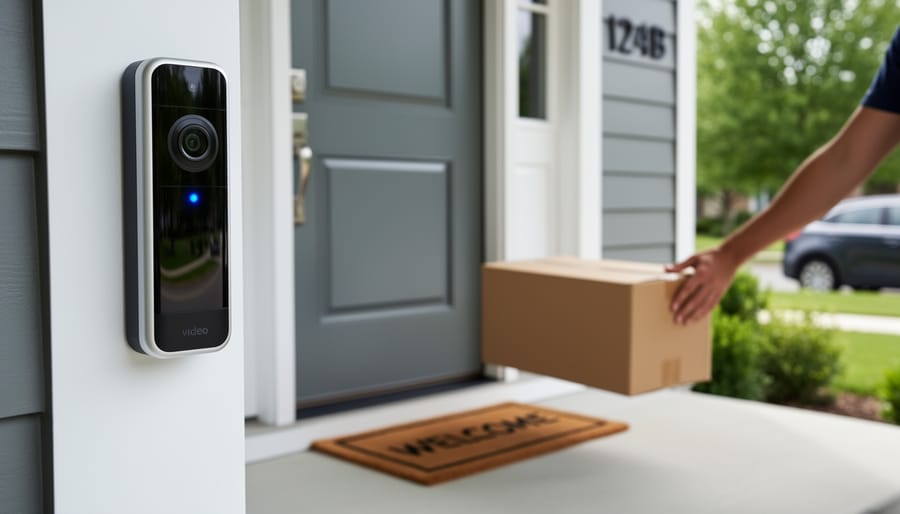
Video doorbells and outdoor cameras serve double duty as both deterrents and evidence collectors. Even budget models from major retailers provide motion-activated recording and smartphone alerts. Position them to capture your front porch and package drop zone clearly. The visible presence of a camera lens often discourages casual theft without you ever reviewing the footage.
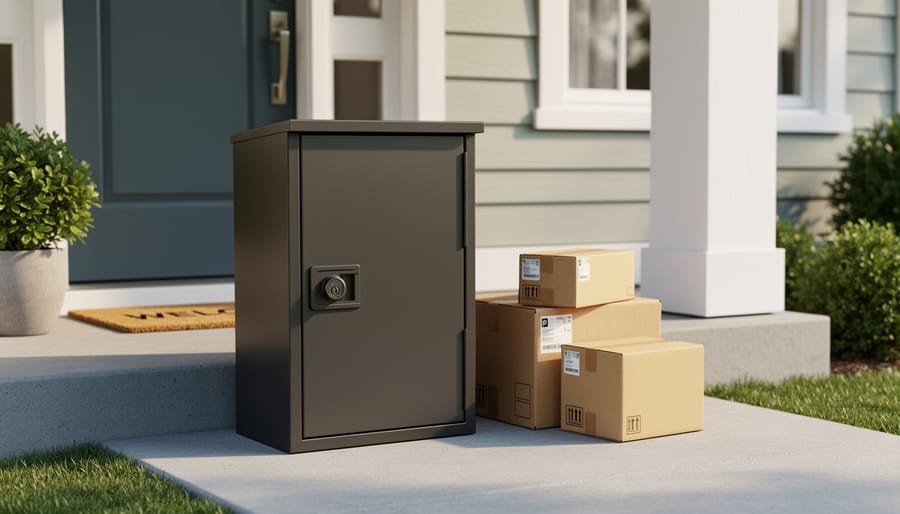
For physical security, package lockboxes range from simple weatherproof bins to more robust options with combination locks or smart access codes you can share with trusted delivery personnel. These work especially well for regular deliveries when you can communicate your setup to drivers through delivery instructions.
Renters and those in multi-unit buildings benefit most from portable solutions. A collapsible delivery bin, doorbell camera that doesn’t require permanent mounting, and strategic use of retailer pickup locations give you flexibility without property modifications. Many carriers now maintain network pickup points at convenience stores and dedicated parcel lockers where you can retrieve packages on your schedule, eliminating doorstep risk entirely.
Important Safety and Legal Considerations
Before you install cameras or modify your property, understand the legal and safety boundaries that protect both you and your neighbors. Getting security right means knowing when your deterrent crosses into a problem.
Camera Placement and Privacy Laws
You can record areas where you have a reasonable expectation of control, your porch, driveway, and yard. Problems arise when cameras capture neighboring properties, sidewalks, or public streets in detail. While incidental recording of passersby is generally acceptable, pointing a camera directly at a neighbor’s door or windows creates privacy concerns that can lead to complaints or legal issues. Position cameras to focus on your delivery zone, angled downward toward your entrance rather than outward at shared spaces. If your setup might capture foot traffic or adjacent properties, a simple conversation with affected neighbors prevents misunderstandings before they escalate.
Property Modifications and Community Standards
Permanent security installations like lockboxes bolted to exterior walls or decorative porch cages may require landlord approval if you rent. Some properties have architectural guidelines or homeowner association rules about visible security equipment. Check before drilling holes or adding structures that alter your home’s appearance. Temporary solutions like portable delivery bins and removable camera mounts give you flexibility without commitment.
When to Involve Authorities
Report theft after it occurs, not based on suspicion alone. Police need concrete evidence, timestamps, footage, package tracking showing delivery, to investigate effectively. File reports promptly because carrier insurance claims and credit card disputes often require police documentation. Share information about theft patterns with neighbors through community channels, but avoid naming suspects or making accusations without proof. Building a network of mutual awareness works better than attempting solo enforcement.
Step-by-Step: Setting Up Your Package Theft Prevention System
Step 1: Enable Tracking and Delivery Alerts
The moment a package leaves the warehouse, you should know about it. Set up text or email alerts through your carrier’s tracking system, Canada Post, UPS, FedEx, and Amazon all offer free notification services that ping you when a delivery is out for delivery and again when it’s marked as delivered. Log into your account on each carrier’s website or app, navigate to notification preferences, and enable delivery alerts. Most retailers also send tracking emails; click through to the carrier’s site and create an account if you haven’t already. These alerts give you a narrow window to retrieve packages before anyone else notices them sitting on your porch. Link your accounts to a mobile app so notifications reach you immediately, not hours later when you check email. This costs nothing and takes ten minutes total, but it transforms passive waiting into active awareness. Think of it as the digital equivalent of a security agreement you’re establishing clear terms for how and when you’ll be informed about your property.
Step 2: Provide Specific Delivery Instructions
Most delivery carriers let you add special instructions during checkout or through their apps. Use this feature to direct packages away from your front porch. Tell the courier to place deliveries behind a planter, next to your side gate, or inside a screened porch if you have one. Be specific: “Leave packages behind the black bench on the left side of the porch” works better than “hide package.” If you have a lockbox or delivery bin, include that in your instructions with clear placement details. Update these notes seasonally, what’s hidden by summer landscaping might be exposed in winter. Keep instructions brief and actionable so busy couriers can follow them quickly. Test your directions by having a friend or neighbor read them to confirm they’re clear.
Step 3: Install Visible Deterrents
Visible security measures serve a dual purpose: they capture evidence and, more importantly, convince thieves to skip your porch entirely. Most package thieves are opportunists who target homes that look unprotected.
Start with a video doorbell or outdoor camera pointed at your delivery area. Position it so the lens is clearly visible from the street and captures faces at package height, not just the tops of heads. Even budget models deter theft when potential thieves notice them. Mount cameras high enough that they can’t be easily disabled but low enough that the angle works.
Add signage if you have cameras. A simple “24-Hour Video Surveillance” sign reinforces that you’re watching, even if your system doesn’t record continuously. Place signs where someone approaching your door would see them before they commit to grabbing a package.
Lighting matters too. Motion-activated lights eliminate hiding spots and create the impression someone’s home. Thieves prefer working in shadows, so a well-lit porch makes your home a less attractive target.
You don’t need to spend heavily or create a fortress aesthetic. The goal is making it obvious that taking packages from your property carries real risk of identification and consequences.
Step 4: Create a Secure Drop Zone
A designated secure drop zone gives delivery drivers a protected spot to leave packages out of plain sight. The simplest approach costs nothing: identify an existing area on your property that’s hidden from street view but accessible to couriers. Behind a pillar, beside a planter, or tucked against a side wall all work well. Leave clear instructions with each retailer directing drivers to this specific spot.
For dedicated hardware, parcel drop boxes come in two main types. Lockboxes with courier-accessible compartments let drivers deposit packages through a slot or door that locks automatically, while you retrieve items with your key. Weatherproof delivery bins with lids offer similar concealment without the locking mechanism, relying on their position and cover to deter casual theft. Both options work for standard-sized packages; oversized deliveries may still require alternative arrangements.
If your property layout allows it, a bench with storage underneath or a deck box positioned near your entrance provides dual-purpose security. The key is making the drop zone obvious to legitimate couriers through signage or delivery notes while keeping it visually obscured from passersby. Test your chosen spot by having a friend attempt a delivery to confirm it’s intuitive yet discreet.
Step 5: Coordinate with Neighbors and Build Community Watch
Package theft prevention works best as a collective effort. Start by identifying two or three trusted neighbors willing to accept each other’s deliveries when you’re away, a simple text or doorbell conversation usually secures these arrangements. Share your contact information and typical delivery schedules to streamline coordination.
Beyond package pickups, community connection extends to information sharing. Create a group chat or email thread where neighbors can report suspicious vehicles, unfamiliar people photographing doorsteps, or attempted thefts. Keep communications factual and avoid speculation about specific individuals. This informal network often deters thieves who realize the neighborhood watches out for itself. Even three or four participating households on your block creates meaningful protection.
Alternative Delivery Solutions When Home Security Isn’t Enough
Sometimes the best defense against porch pirates is removing the target altogether. If your home’s layout makes securing deliveries difficult, or you’re frequently away during the day, redirecting packages to alternative locations offers reliable protection.
Many retailers now offer free in-store or curbside pickup. When you’re ordering online, look for these options at checkout. You collect your package on your schedule, and nothing sits unattended on your doorstep. Major carriers also provide hold-at-facility services through their apps or websites, letting you pick up packages at their distribution centers during extended hours.
Package lockers provide another secure option. Some apartment complexes and community centers have installed these automated systems where carriers deliver to a locked compartment and you retrieve items using a code. Check whether any facilities near you offer this service.
Workplace delivery works well if your employer allows it. Many offices accept personal packages, and you avoid the residential delivery window entirely. Just confirm your company’s policy first.
Community solutions matter too. Some neighborhoods have organized package collection points where trusted volunteers or security patrols receive deliveries for multiple households. Talk with your neighbors about whether a coordinated approach might work in Windsor Square.
These alternatives require slightly more effort than doorstep delivery, but they eliminate theft risk completely. For high-value items or times when you’ll be traveling, the inconvenience is worth the peace of mind.
How to Verify Your Protection Is Working
Testing your package security setup before a real theft attempt shows you where vulnerabilities exist. Start with notification timing: order something small and track how quickly your delivery alerts reach you compared to when the package actually arrives at your door. If you’re getting notifications hours late or not at all, adjust your app settings or switch to text alerts instead of email.
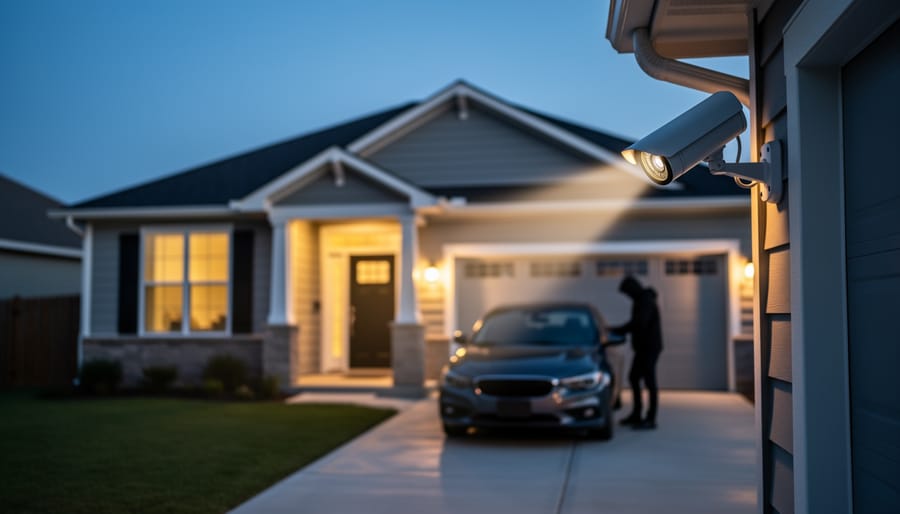
Walk outside and check your camera coverage from a porch pirate’s perspective. Stand where someone would grab a package and verify your camera captures a clear face shot, not just the top of their head. Test your footage at different times of day since bright midday sun and evening shadows change what’s visible. If you have motion-activated lights or cameras, walk through their range to confirm they trigger reliably.
Have a friend or family member do a trial delivery while you’re away. Ask them to note whether your deterrents were obvious, if cameras tracked their movement, and how easy it was to follow your delivery instructions. Review the footage together and look for blind spots or timing delays.
If something goes wrong and a package disappears despite your precautions, document everything immediately. File a police report with your footage and tracking details, contact the retailer for a refund or replacement, and check if your home insurance covers stolen deliveries. Then adjust your system based on what failed, maybe you need a lockbox instead of just cameras, or perhaps coordinating pickups with neighbors or night patrols would add another layer of protection.
Common Questions About Package Theft Prevention
What should I do immediately if a package is stolen?
Contact the retailer first to report the missing delivery, many will replace the item at no cost. Then file a police report to create an official record, which you’ll need for insurance claims and may help if the thief is caught in your area.
Does homeowners or renters insurance cover stolen packages?
Coverage varies by policy, but many homeowners and renters insurance plans will cover package theft after you meet your deductible. Check your specific policy details, as the deductible may exceed the value of stolen items for lower-cost deliveries.
Are apartment dwellers more vulnerable to package theft than house residents?
Apartments can be safer when buildings have secure lobbies or package rooms, but ground-floor units with accessible entrances face similar risks to houses. The key difference is that apartment residents often have fewer options for installing cameras or lockboxes without landlord approval.
Does package theft increase during the holiday season?
Yes, thieves target residential areas more actively from November through December when delivery volumes spike. During this period, consider using alternative pickup locations or coordinating with neighbors to retrieve packages quickly rather than letting them sit on porches.
If you’re renting, review your lease before installing any permanent security devices. Some landlords prohibit modifications like drilling holes for cameras or placing lockboxes on shared porches. In these cases, wireless battery-powered cameras and portable delivery bins offer effective alternatives that don’t require permission or leave permanent marks.
When reporting theft to police, provide tracking numbers, photos of the delivered package if your camera captured them, and approximate theft timeframes. While police may not recover your specific package, reports help identify patterns and may lead to arrests if the same thief hits multiple homes in the neighborhood. Keep copies of all reports for insurance purposes and follow-up claims with retailers or credit card companies that offer purchase protection.
Protecting your deliveries doesn’t require a fortress, it requires a thoughtful combination of simple habits, smart technology, and good neighbors. The most effective approach layers multiple defenses: start with free solutions like delivery alerts and written instructions, then add visible deterrents if needed, and finally consider secure storage or alternative pickup locations for high-value items. No single measure stops every theft, but together they make your packages far less appealing targets.
You don’t need to implement everything at once. Begin with the basics that fit your situation and budget, then build from there as you see what works. Test your setup periodically, adjust when something isn’t effective, and stay alert to new delivery options as they become available.
Most importantly, remember that package security works best as a community effort. When neighbors watch out for each other’s deliveries, share information about suspicious activity, and maintain that neighborhood watch culture, everyone benefits. A quick text to grab a neighbor’s package or report an unfamiliar vehicle goes a long way. That sense of looking out for one another has always been what makes residential communities safer, and it applies just as much to protecting deliveries as anything else.