
A community safety event is a neighbourhood gathering where residents, local groups, and safety volunteers get together to learn, connect, and look out for one another. Think of it as a friendly front-porch chat that happens to leave you better prepared. You can find them close to home, take part in a few minutes, and walk away knowing your neighbours a little better.
That sense of looking out for each other runs deep here. Our historic roots are built on neighbours showing up for neighbours, and safety events carry that tradition forward. They come in all shapes, from workshops and walks to drop-in activities that suit families, young professionals, and retirees alike.
One concrete example is “NDOA Nov 2026: London Letter Drop!”, set for November 20th, 2026 at 1:30 PM at Victoria Park, 580 Clarence St, London, ON N6A 3N1. Registration details haven’t been confirmed, so check before you head out. Below, we’ll walk through the formats you can join, what to expect, and a few local tips to help you get involved.
Why Community Safety Events Are Worth Your Time in Windsor Square
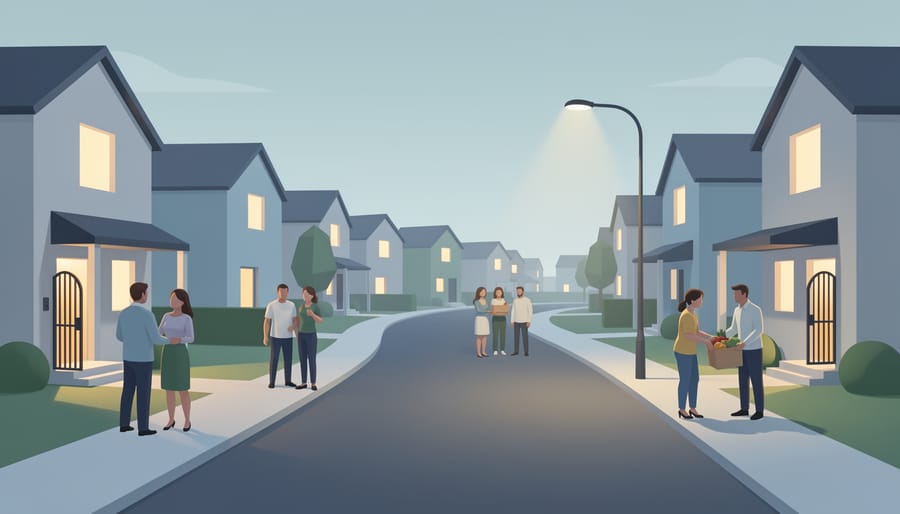
A safe street usually isn’t the one with the most gadgets. It’s the one where people know each other. Community safety events are where that starts. You show up, you shake a few hands, and suddenly the person who walks past your window each morning has a name and a wave.
Think of the general pattern in any friendly neighbourhood: someone mentions a tip at a gathering, a neighbour nods because they’ve noticed the same thing, and before long people are keeping a casual eye out for one another. Nothing dramatic, just familiar faces doing what neighbours do best.
The benefits stretch across the whole community:
– Families pick up practical ideas and meet other parents who live close by.
– Young professionals find an easy, low-commitment way to put down roots and meet the people around them.
– Retirees share the kind of local knowledge that only comes from years on the block.
A typical event keeps things relaxed. You’ll usually find helpful information, plenty of friendly conversation, and simple ways to pitch in if you feel like it, such as chatting with a volunteer or lending a hand. There’s no pressure to join a committee on day one.
Even one visit can change how your street feels. You walk home knowing a few more names, and that kind of familiarity is a big part of what makes a neighbourhood feel looked after.
Types of Community Safety Events to Look For
1. Awareness and Letter-Drop Days

Awareness and letter-drop days are some of the simplest community safety events to join. Volunteers gather at a set time and place, then share written messages and helpful information with others in the community. There’s no big production involved, just neighbours showing up for a common purpose.
A good example of the format is “NDOA Nov 2026: London Letter Drop!”, set for November 20th, 2026, at 1:30 PM at Victoria Park, 580 Clarence St, London, ON N6A 3N1. It’s a London gathering, and we’re not suggesting any connection to Windsor Square organizers. We’re pointing to it because it shows how these days tend to work: a clear start time, a public meeting spot, and a shared task.
These events suit anyone who likes a low-pressure way to pitch in. Registration requirements haven’t been confirmed for this one, so check with the organizers before heading out.
2. Neighbourhood Watch Meetups
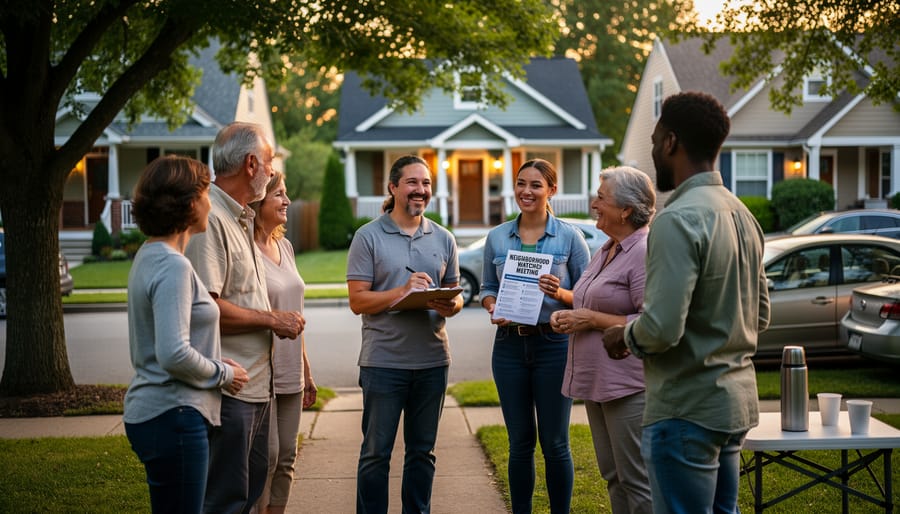
Neighbourhood watch meetups are low-key gatherings where neighbours swap what they’ve noticed around the block and talk through simple ways to look out for one another. Expect conversations about keeping porch lights and walkways in good order, sharing contact details, and agreeing on who to call for what.
These get-togethers suit retirees and long-time residents especially well. If you’ve lived on the street for years, you know its rhythms: which cars belong, when deliveries usually arrive, how the block looks on an ordinary afternoon. That kind of familiarity is hard to teach, and it’s exactly what helps neighbours spot when something seems off. Newer folks get a friendly introduction, and everyone leaves knowing a few more names.
3. Safety Fairs and Open-House Info Days
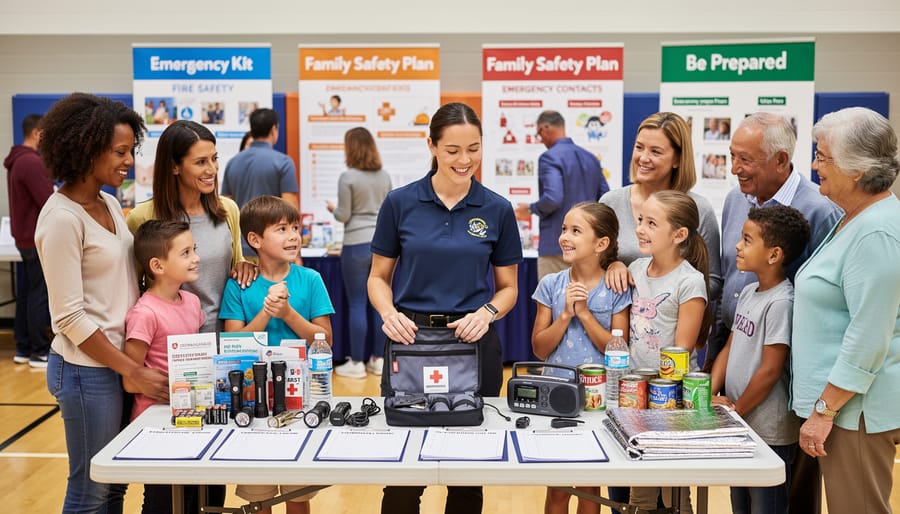
Safety fairs and open-house info days are a relaxed way to learn something useful without feeling put on the spot. Picture a handful of tables and friendly faces sharing tips on home security, emergency preparedness, and local services. You can wander at your own pace, pick up a few handouts, and ask whatever’s on your mind.
These gatherings suit families especially well, since kids can tag along while you collect ideas for a simple emergency kit or a safer front entry. First-timers will find them easy to join too, because there’s no expectation to speak up or commit to anything. Just confirm the time, location, and topics with the hosts ahead of time.
4. Block Parties and Neighbour-to-Neighbour Socials
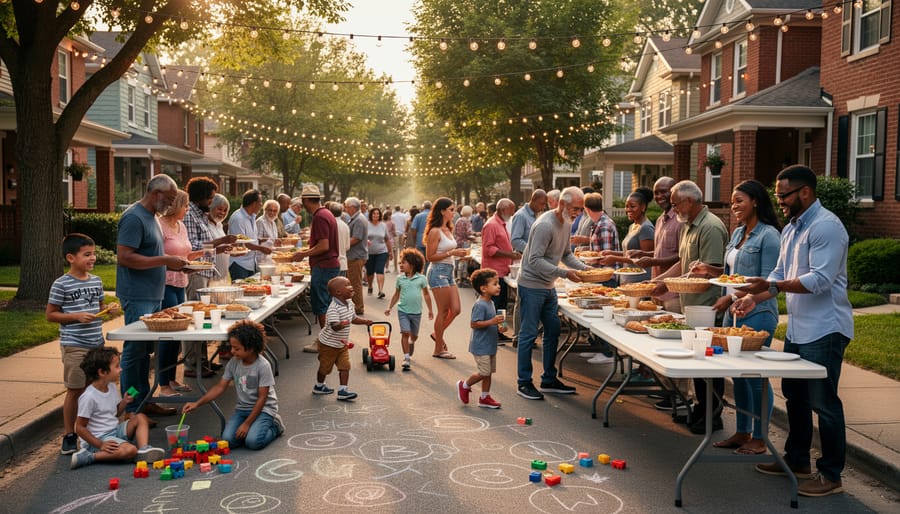
Block parties and neighbour-to-neighbour socials might not look like safety events at first glance, but they do some quiet, powerful work. When you know who lives next door, you notice when something’s off, and you’ve got someone to call when you need a hand. A potluck on the lawn, a driveway coffee morning, or a summer street gathering gives everyone an easy reason to say hello.
These events suit nearly everyone: families can bring the kids, retirees can share local know-how, and busy young professionals can meet the people behind the porch lights. Keep it simple, bring a snack to share, and let the conversation do the rest.
5. Workshops and Preparedness Sessions

Workshops and preparedness sessions are the hands-on end of community safety. Think emergency kit basics, a walkthrough of simple home safety checks, or a relaxed wellness-focused talk where neighbours swap ideas. They suit families building a household plan and anyone who learns best by doing. There’s good reason to give them a try, too, since research suggests training improves preparedness and a short session can make a plan feel less abstract. Topics and hosts vary, so confirm both directly with the organizers before you head out. A quick message beforehand saves a wasted trip.
6. Volunteer Walks and Clean-Up Days
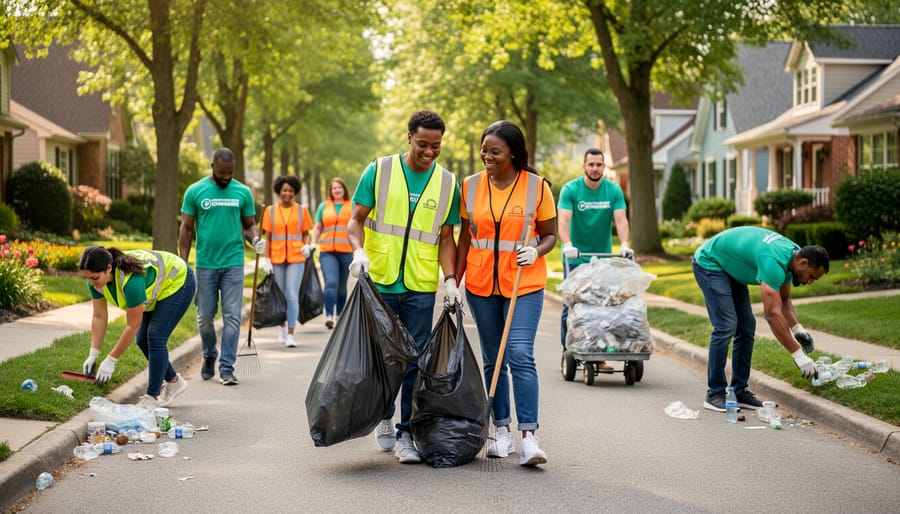
Volunteer walks and clean-up days are some of the easiest ways to get involved. You’re out on the street with your neighbours, picking up litter, tidying shared spaces, and chatting as you go. It’s active, low-pressure, and over in an hour or two, which suits busy young professionals who want to meet people without a big commitment. A cared-for street also tends to feel safer. Bring gloves and a friend, and confirm the time and meeting spot with the host before you head out.
7. Seasonal and Holiday Safety Gatherings
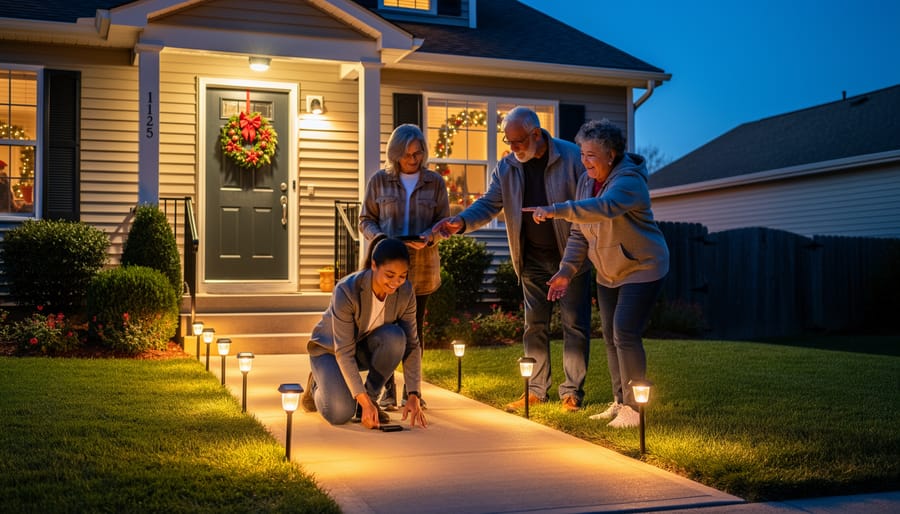
As the seasons turn, some safety gatherings turn with them. Winter-readiness meetups often cover simple preparation, like checking walkways, keeping flashlights handy, and looking in on older neighbours when the weather turns. Holiday-season gatherings tend to focus on friendly reminders, such as locking up before travel and keeping an eye on each other’s homes while folks are away. Dates vary from year to year, so watch community boards as each season approaches, and confirm details with the hosts before you head out.
Key Details: The London Letter Drop at Victoria Park
Here’s a quick look at the event we’ve been using as our example of an awareness and letter-drop day. These are the confirmed details, pulled together so you can see exactly what a gathering like this looks like on paper.
| Detail | What We Know |
|---|---|
| Event title | NDOA Nov 2026: London Letter Drop! |
| Date | November 20th, 2026 |
| Start time | 1:30 PM |
| Location | Victoria Park, 580 Clarence St, London, ON N6A 3N1 |
| Registration | Details have not been confirmed |
A couple of honest notes. Registration requirements haven’t been confirmed, so if you’re thinking about joining any similar gathering, reach out to the organizers before you head out. That way you’ll know whether sign-up is needed and won’t be caught off guard at the door.
It’s also worth saying that the date has already passed as of publication. We’re sharing it here as a real-world example of the format, not as something you can still plan for. Think of it as a cue: when you spot a letter drop or awareness day on a community board or in a local group, you’ll know what to look for and what questions to ask.
Events like this are a simple, low-pressure way to build community connection and spotting the next one is half the fun.
Getting the Most Out of Your Visit: Practical Information
Finding an event is usually the easy part. Community boards, neighbourhood groups, and plain old word of mouth tend to surface gatherings well before they happen, so keep an eye out and ask around. A chat with the neighbour two doors down often turns up more than any flyer.
Once something catches your eye, a quick bit of homework saves surprises. Before you head out, run through this checklist:
- Confirm the date and start time.
- Double-check the venue address.
- Find out whether registration is needed.
- Plan your travel and parking.
- Dress for the weather.
- Bring a neighbour along.
That registration question matters, because some gatherings welcome drop-ins and others ask you to sign up first. If the details aren’t clear, reach out to the organizers directly rather than guessing.
Timing and access are worth a thought, too. Families may want to look for daytime or weekend gatherings and check how kid-friendly the setting is. Retirees can ask ahead about seating, walking distances, and accessible entrances. Busy professionals might favour evening or lunch-hour sessions, if any are offered, and should confirm the start time so they can slip in without a scramble.
A little planning goes a long way, and it leaves you free to enjoy meeting the folks around you.
Neighbourly Tips for Making Safety Events Count
Showing up is the easy part. Making it count takes a little neighbourly effort, and none of it is complicated.
Start by introducing yourself to two or three new faces. You don’t need a big speech, just a name, which street you’re on, and a smile. Bring a friend from down the street, too. It takes the pressure off, and you’ll have someone to compare notes with on the walk home.
Ask questions. If someone mentions a routine you’ve never heard of, curiosity beats nodding along. If you’d like a bit of background, it helps to know what patrols do before you chat with neighbours about them.
Afterwards, follow up. A quick wave on the sidewalk or a friendly message to someone you met keeps the connection alive. Keep conversations positive and constructive, and focus on what neighbours can do together. That’s what makes a street feel like home.
Community Safety Events in Windsor Square: Your Questions Answered
What counts as a community safety event?
Any neighbourhood gathering focused on helping people feel informed and connected counts, from watch meetups and safety fairs to awareness days and block socials.
Do I need to be an organizer to attend?
Not at all. Most gatherings welcome curious neighbours, and showing up is the first step to getting involved. If an event has specific rules, the hosts will say so.
How do I find out about upcoming gatherings?
Community boards, local groups, and word of mouth along your street are the best places to start. Sharing a good tip like how to stop package theft is also a friendly way to start a conversation with neighbours who care about the same things.
What if registration details are unclear?
For the London Letter Drop at Victoria Park, registration requirements haven’t been confirmed, so check with the organizers before heading out. The same goes for any event where the sign-up details are missing.
Families, retirees, and busy professionals can all find something that fits, but it’s smart to confirm the time, location, and any age or sign-up expectations ahead of time. A quick message to the hosts saves a wasted trip and keeps everything friendly.
At the end of the day, Community Safety and Events in Windsor Square come down to one simple thing: neighbours showing up for each other. You don’t need to be an organizer or an expert. A friendly hello, a bit of curiosity, and a little time are plenty.
So here’s a small challenge. Pick one format from this guide that feels like a good fit, whether that’s a casual block gathering, a safety fair, or a volunteer walk. Mark it on your calendar, confirm the details before you head out, and bring a friend if you like.
Then say hello to someone new. That one conversation might be the start of a stronger, safer, friendlier street for everyone.